SENKE Presents the MTS2050 for Large-Volume Material Screening
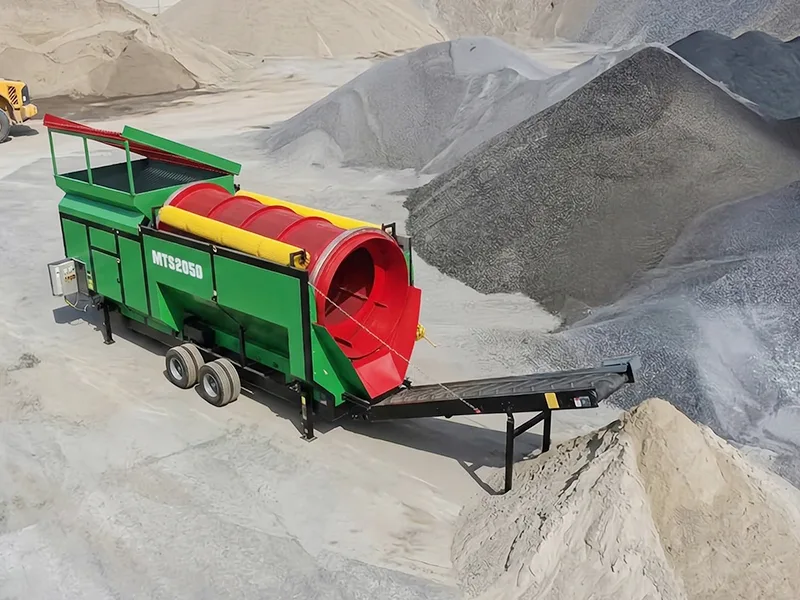
When a screening project handles a broad mix of construction waste, compost, topsoil, sand, aggregates or light urban waste, equipment selection must start with the required material flow and final size fractions. SENKE presents the MTS2050 as a high-capacity trommel screen for projects that need a versatile approach to large-volume material screening.
The MTS2050 is designed to separate material by size through a rotating drum. This mechanical screening method can help project teams organise mixed feedstock into more manageable fractions before reuse, further processing or disposal. For major infrastructure and material-recovery projects, that flexibility can be important because incoming material often changes from one job or delivery to the next.
For project managers, this means the initial equipment review can focus on practical operating conditions rather than a generic machine comparison. Feedstock type, target fractions, loading method and discharge layout should all be considered when determining whether the MTS2050 matches the work.
One Screening Platform for Multiple Material Streams
A major benefit of the MTS2050 is its application range. The model is suitable for screening construction waste, compost, topsoil, sand, aggregates and light urban waste. These materials have different characteristics, but they share a common need: reliable separation into useful size ranges.
Construction and demolition projects may use trommel screening to pre-process mixed material and separate oversize pieces from smaller fractions. Compost and topsoil producers may need a more uniform product for landscaping, agriculture or further blending. Sand and aggregate operators may require size classification before the material enters another stage of production. Light urban waste can also require initial separation to support more organised recovery and handling.
The MTS2050 provides a versatile equipment option for these varied applications. The final result will still depend on feedstock characteristics, moisture, loading method, mesh selection and operating conditions. For that reason, a project-specific assessment should be completed before the machine is ordered.
Why Drum Screening Matters on Infrastructure Projects
Infrastructure projects often operate under demanding schedules and changing site conditions. Material may arrive from excavation, demolition, road work, landscaping or site clearance, and the screening requirement can shift as the project progresses. A trommel screen that can be matched to different materials gives contractors more room to manage those changes.
The MTS2050’s rotating drum is intended to support continuous material separation. As feedstock moves through the drum, smaller particles pass through the screen while larger material continues toward the oversize discharge. The process helps create more predictable material streams for stockpiling, reuse or downstream equipment.
This type of separation can also improve process planning. Once the incoming material is divided into size fractions, operators can make clearer decisions about where each fraction should go. Depending on the project, screened material may be reused on site, sent for additional processing or directed to a different handling route. The approach can help site teams establish a more orderly material flow when the incoming feedstock is mixed or changes during the project.
Adaptable Mesh Options for Different Output Requirements
There is no single screen size that suits every application. A compost producer may need a different finished fraction from an aggregate operator, while a construction waste project may prioritise oversize removal. SENKE provides multiple screening mesh options so that the MTS2050 can be considered against the customer’s target separation requirements.
Before choosing a mesh, customers should define the desired output fractions and explain the material entering the machine. Important details include the maximum feed size, moisture level, presence of sticky or fibrous material, expected daily throughput and the quality standard for the finished product.
The MTS2050 can also be discussed with optional conveyor arrangements. SENKE lists conveyor belts in lengths of 3, 4, 5 and 6 metres, as well as configurations that can combine up to three different sieve sizes. Availability and suitability should be confirmed for the specific project, but these options give buyers a practical starting point for planning material discharge and multiple fractions.
Designed for Practical Operation and Maintenance
A screening machine must be productive without becoming difficult to manage on site. The MTS2050 is described by SENKE as having a heavy-duty construction, accessible components and an intuitive control system. These features are intended to support routine operation, inspection and maintenance in demanding material-processing environments.
Operators should still establish a maintenance routine based on the feedstock and working conditions. Abrasive aggregate, wet compost and mixed construction waste can place different demands on the drum, screen panels, conveyors and other wear components. Regular checks can help identify build-up, wear or adjustment requirements before they interrupt production.
During the specification stage, buyers should also review site access, loading equipment, power supply, discharge layout and local operating requirements. These details help determine whether the selected MTS2050 configuration will integrate smoothly into the wider process. A practical review of these points can help prevent avoidable installation changes and clarify the responsibilities of the equipment supplier and site team.
A Clearer Way to Evaluate the MTS2050
The right question is not simply whether a trommel screen can process a material. Buyers should ask whether the complete configuration matches the project’s material, target fractions, operating schedule and site constraints. SENKE’s application review can help customers evaluate the MTS2050 using those practical criteria.
For a construction contractor, the priority may be flexible handling of changing waste streams. For a composting or topsoil business, it may be consistent product grading. For an aggregate or recycling operation, the focus may be separation efficiency and integration with conveyors or downstream machinery. The same MTS2050 model can therefore be assessed from different operational perspectives.
International buyers in Europe, North America, Australia and New Zealand can provide their material details and process requirements to SENKE’s engineers. The resulting recommendation should confirm the suitable mesh arrangement, optional equipment and site-specific considerations before quotation and delivery. This process gives buyers a clearer basis for comparing the proposed configuration with their actual production goals.
Contact SENKE About the MTS2050
The MTS2050 is a versatile trommel screen for large-volume screening projects involving construction waste, compost, topsoil, sand, aggregates and light urban waste. Its application range, flexible screening options and practical design make it worth considering for contractors, recyclers, compost producers and material-processing businesses.
To evaluate the model for a specific project, contact SENKE with the feedstock type, expected material volume, required output fractions, site conditions and preferred loading method. SENKE can then help determine whether the MTS2050 is the right fit and prepare a project-specific quotation. Providing these details at the start can make the technical discussion more focused and help identify the most relevant options for the intended application. It also gives both sides a clearer basis for reviewing installation, operation and service expectations before the project moves forward.
Recommended call to action: Contact SENKE to discuss your material and request an MTS2050 screening recommendation.
Source pages: