
The SENKE MTS1230 mobile trommel screen is a compact, heavy-duty rotary screening solution for contractors, recyclers, landscapers, compost producers, and aggregate processors that need dependable separation without sacrificing transportability. This engineering guide explains the screening process, practical operating parameters, setup decisions, and maintenance practices that help teams turn mixed feedstock into consistent products.
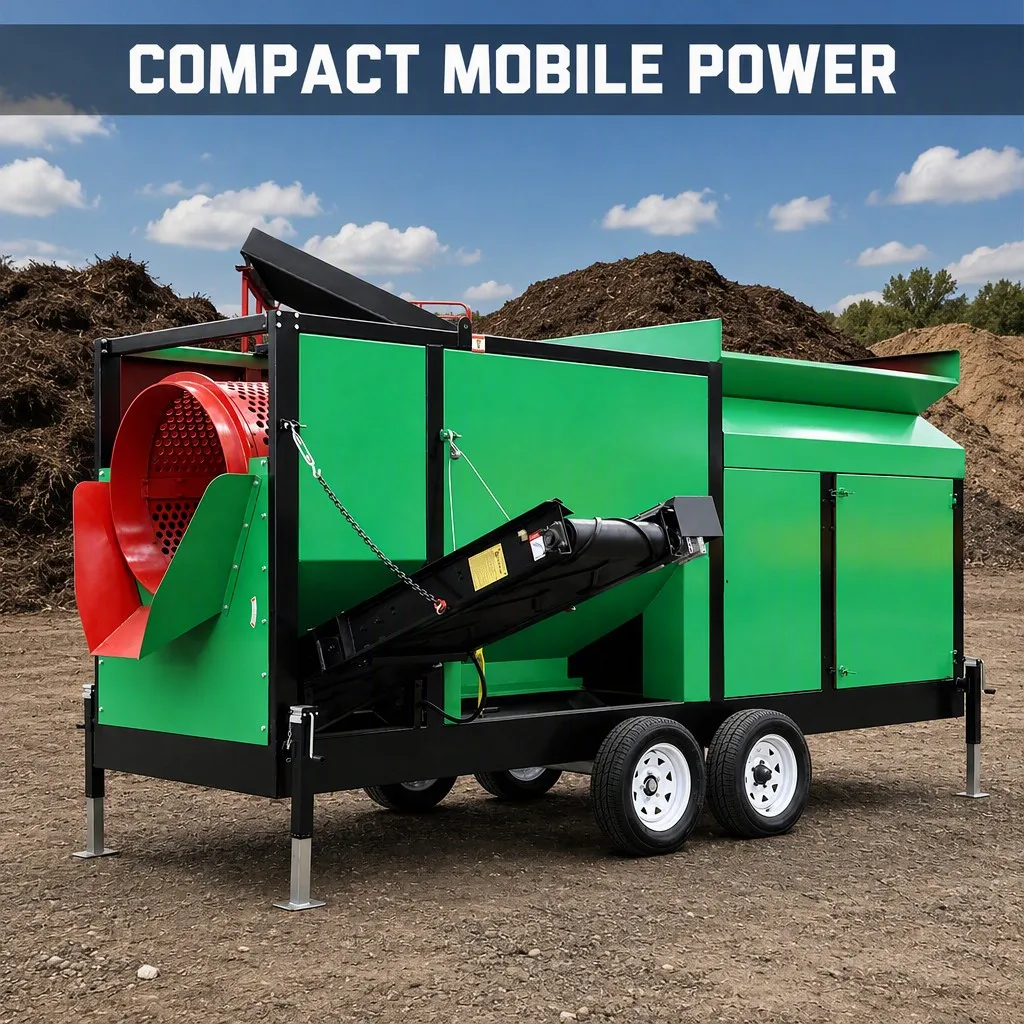
Why the MTS1230 is built for compact, demanding sites
Many jobs require a machine that can move between locations, accept variable feed, and produce a clean oversize fraction in a limited footprint. The MTS1230 combines a reinforced rotary drum, controlled material flow, and mobile chassis into one practical package. Its design supports rapid deployment for soil screening, compost refinement, mulch sizing, and light C&D recycling.
- Compact footprint for urban, landscaping, and rental applications.
- Heavy-duty frame and wear-resistant screening components.
- Adjustable screening media for different product specifications.
- Simple access points for inspection, cleaning, and routine service.
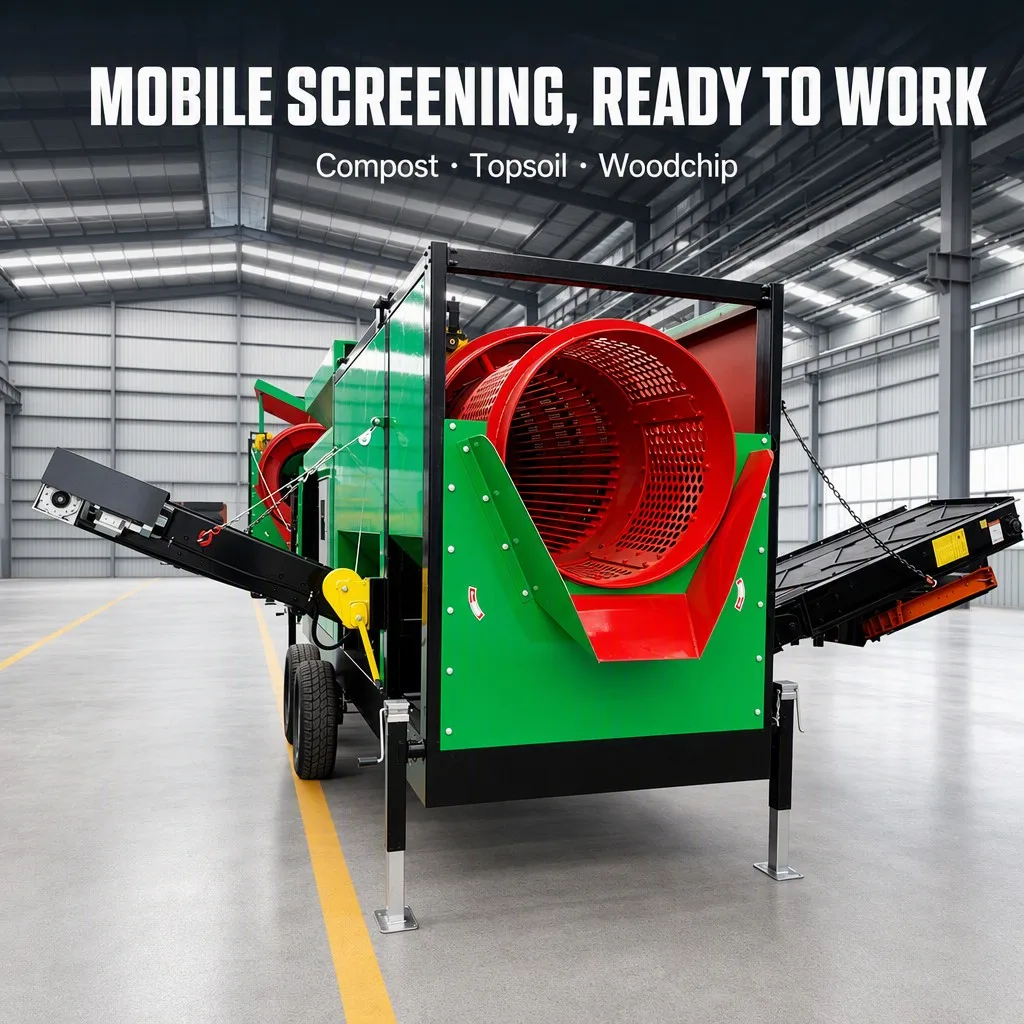
MTS1230 technical parameters
| Parameter | Engineering reference |
|---|---|
| Machine type | Mobile rotary trommel screen |
| Primary process | Continuous size separation by rotating drum |
| Typical materials | Topsoil, compost, mulch, sand, gravel, and screened aggregates |
| Screening media | Interchangeable perforated plate or woven mesh according to cut size |
| Mobility | Transportable chassis for quick relocation between work zones |
| Feed strategy | Steady, centered loading matched to the selected mesh |
| Output control | Separate fine and oversize discharge streams |
Final motor, drum, capacity, and dimension selections should be confirmed against the project feedstock and requested cut size before ordering.
How the rotary screening process works
1. Controlled feeding
Load with an excavator, wheel loader, or conveyor while keeping the feed centered and even. A stable feed rate protects screening efficiency and avoids burying the first section of the drum.
2. Lifting and tumbling
As the drum rotates, lifter bars raise and release material. Fines pass through the openings while larger pieces continue toward the oversize discharge. Correct drum speed and feed depth create enough agitation without excessive degradation.
3. Clean discharge separation
Place conveyors, stockpiles, or downstream equipment so that the fine and oversize fractions remain separated. A clear discharge zone also makes quality checks and loader movements safer.
Application guidance
- Topsoil: select mesh around the required landscaping grade and remove wet clumps before feeding.
- Compost: use a suitable opening and moderate loading to protect product structure.
- Mulch and biomass: inspect for stringy contaminants and keep the drum clean between grades.
- Sand and aggregates: match wear protection and mesh strength to abrasive feed.
- Light recycling: pre-sort metal, oversized concrete, and long contaminants before screening.
Setup and operating checklist
- Level and secure the machine before connecting power or hydraulics.
- Confirm guards, emergency stops, belts, bearings, and discharge clearances.
- Install the correct screen media and verify that it is tensioned and undamaged.
- Start empty, listen for abnormal vibration, then introduce material gradually.
- Record moisture, feed rate, mesh size, and product quality for repeatable results.
Maintenance and troubleshooting
Daily checks should cover drum cleanliness, mesh wear, belt alignment, bearing temperature, fasteners, and hydraulic or electrical connections. If throughput falls, first inspect for blinding, overfeeding, excessive moisture, or an unsuitable opening. If vibration increases, stop safely and check buildup, drum alignment, support rollers, and loose hardware before returning to service.
Frequently asked questions
What materials can the MTS1230 screen?
It is suited to free-flowing topsoil, compost, mulch, sand, gravel, and selected light recycling streams. Feed preparation and the chosen mesh determine the practical result.
Can the cut size be changed?
Yes. Interchangeable screening media lets operators configure the machine for different product specifications, subject to the correct installation and tensioning procedure.
How do I handle wet feed?
Reduce feed rate, remove standing water and large clay balls where possible, clean the drum more frequently, and consider a larger or application-specific opening to reduce blinding.
Is the machine suitable for moving between jobs?
The mobile chassis is intended for relocation between prepared work areas. Confirm site access, transport regulations, and towing or lifting requirements with the supplier.
Plan your MTS1230 screening line
Share your feed material, target cut size, expected hourly volume, moisture range, and site constraints with SENKE. Our engineers can recommend screening media, feeding equipment, discharge layout, and a practical commissioning plan.
Ready to improve compact-site screening? Contact SENKE for an MTS1230 configuration review and quotation.