
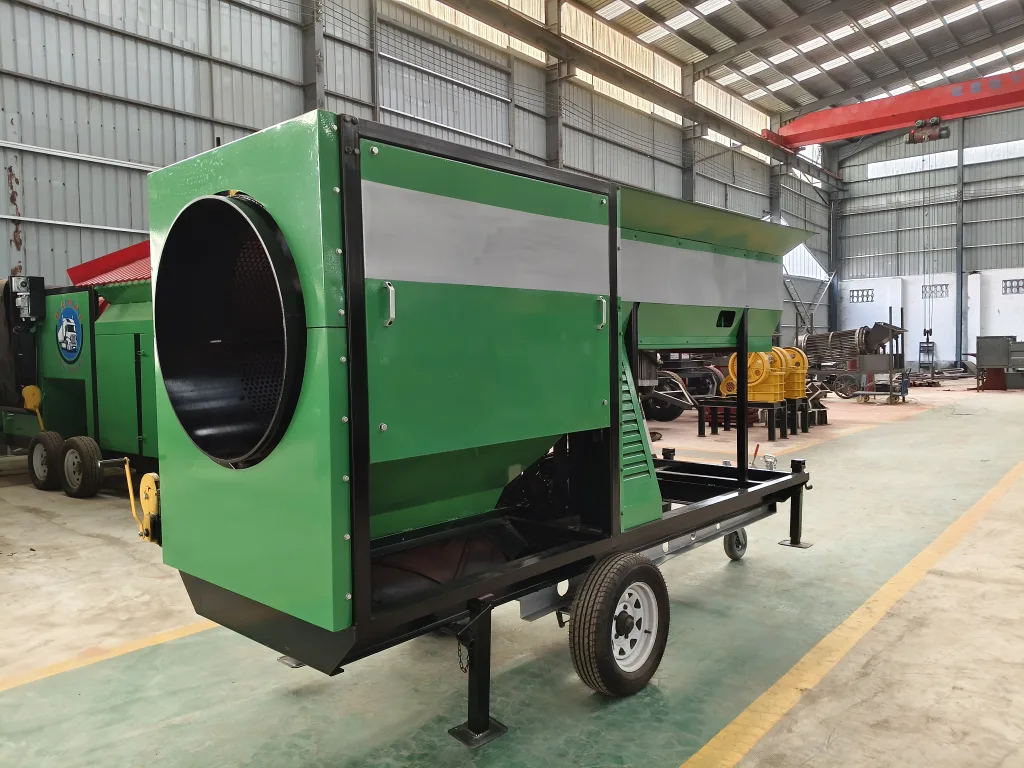
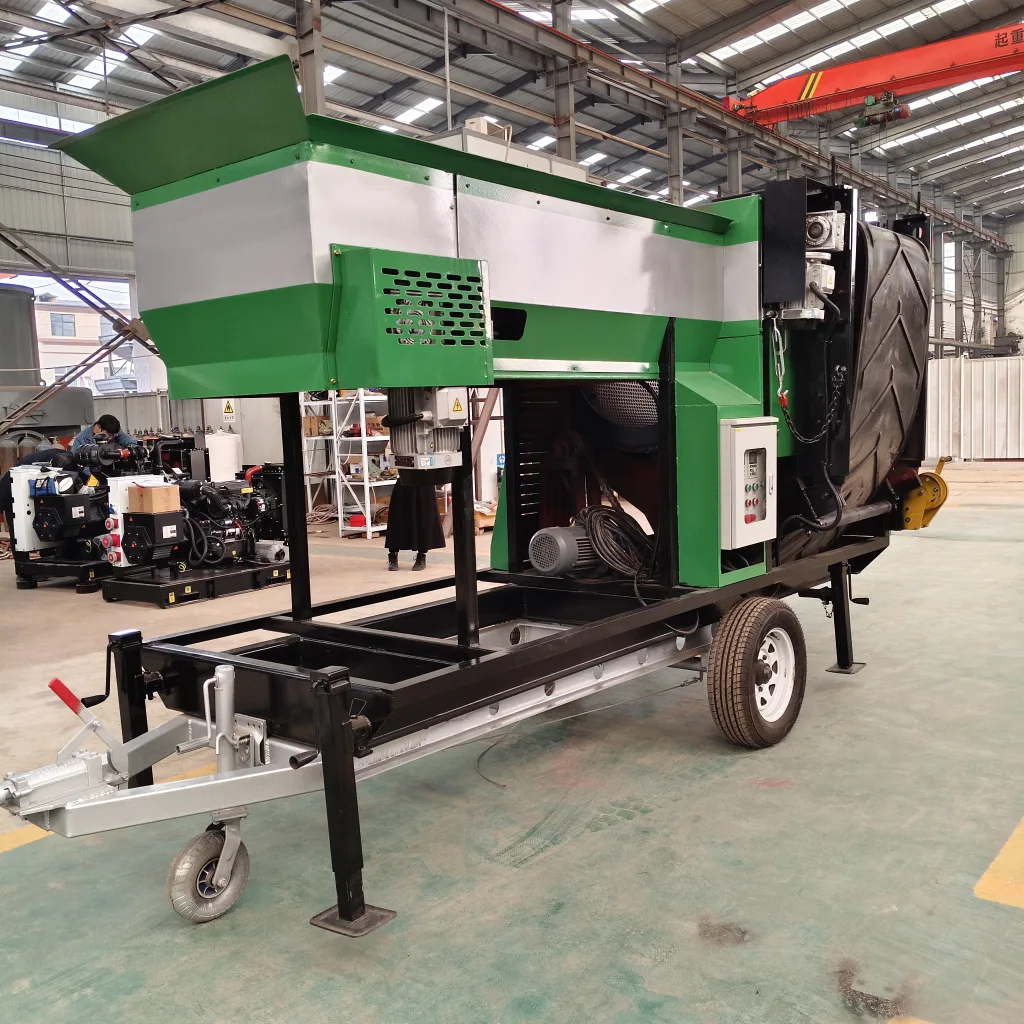
Owning an MTS0915 trommel screen means investing in a machine built for years of reliable service. However, even the best equipment performs best when operators understand proper procedures. This guide serves as a practical supplement to your official MTS0915 operation manual, focusing on daily routines, preventive maintenance, and solutions to common issues encountered in the field.
Pre-Start Inspection Checklist
Before starting the engine each day, operators should complete these checks. Following this section of your MTS0915 operation manual prevents minor issues from becoming major repairs:
Visual Inspection:
- Walk around the machine, looking for loose bolts, hydraulic leaks, or damaged hoses
- Check screen panels for wear or holes; replace any with openings larger than spec
- Verify that all safety guards and shields are in place
- Inspect conveyor belts for tears, fraying, or missing cleats
Fluid Levels:
- Engine oil: Check dipstick, top up if necessary
- Hydraulic fluid: Reservoir should be between min and max marks
- Coolant: Inspect recovery tank level
- Fuel: Fill at end of each day to prevent condensation
Tire and Axle:
- Check tire pressures: 100 PSI cold (refer to sidewall for exact)
- Inspect wheel lug nuts for torque
- Verify air brake system pressure (if equipped)
As noted in Prater Industries’ maintenance guidelines for centrifugal sifters, pre-start inspections catch 80% of potential failures before they occur—a statistic that holds true for trommel screens as well.
Startup Sequence
Proper startup procedure extends component life and ensures operator safety:
- Set parking brake and chock wheels if on slope
- Start engine at low idle, allow oil pressure to build
- Engage hydraulics and let oil warm for 3–5 minutes
- Start drum rotation at lowest speed setting
- Start conveyors in sequence: oversize first, then fines, then main discharge
- Increase drum speed to operating RPM
- Begin feeding material slowly, increasing to full rate after 2 minutes
Operators should never start the drum under load. Following this sequence from your MTS0915 operation manual reduces stress on the drive system and bearings.
Daily Operating Tips
Experienced operators develop techniques that maximize efficiency while protecting equipment:
Feeding the Hopper:
- Maintain consistent feed rate; surging causes screen blinding and conveyor overloading
- Keep material size under 12 inches; larger pieces damage screens and cause jams
- Remove wire, rebar, and long pieces before feeding when possible
Monitoring Performance:
- Watch discharge piles: Clean oversize indicates proper screening; fines in oversize means screens are worn or drum speed is too high
- Listen for changes: New rattles or squeaks signal developing problems
- Check drum every 30 minutes: Look for material building up on screen surface
Adjusting for Conditions:
- Wet material: Reduce feed rate, increase drum speed slightly
- Dry, dusty material: Use water sprays if equipped; reduce speed to minimize dust
- Abrasive material (sand/gravel): Inspect wear liners hourly
McLanahan’s technical resources on Rotary Trommels emphasize that operating adjustments based on material conditions can double screen life—advice worth heeding.
Weekly Maintenance Tasks
Beyond daily checks, these weekly procedures keep the MTS0915 in top condition:
Lubrication:
- Grease drum bearings: 3–5 pumps each, weekly
- Grease conveyor idlers: Every 40 operating hours
- Check gearbox oil level; top up with specified grade
Screen Panel Inspection:
- Remove and inspect all panels; look for hairline cracks
- Rotate panels if wear is uneven
- Clean behind panels; trapped fines accelerate frame wear
Belt Tracking:
- Observe all conveyors under load; adjust take-ups if belts drift
- Check belt tension; excessive slack causes slippage and wear
- Inspect return rollers for material buildup
Hydraulic System:
- Check all fittings for signs of weeping
- Inspect hoses for abrasion or kinking
- Clean cooler fins; restricted airflow causes overheating
Common Problems and Solutions
Even with perfect maintenance, issues occasionally arise. This troubleshooting guide supplements your MTS0915 operation manual:
Problem: Material not moving through drum
- Cause: Drum speed too low
- Solution: Increase RPM gradually
- Cause: Feed material too wet
- Solution: Reduce feed rate; let drum clear before resuming
- Cause: Screen panels clogged
- Solution: Run empty for 5 minutes; if still clogged, clean manually
Problem: Fines in oversize pile
- Cause: Worn screen panels
- Solution: Inspect and replace damaged sections
- Cause: Drum speed too high
- Solution: Reduce RPM; material needs time to pass through
- Cause: Overloading
- Solution: Reduce feed rate
Problem: Conveyor belt slipping
- Cause: Belt tension too low
- Solution: Adjust take-up screws equally both sides
- Cause: Material buildup on pulley
- Solution: Clean pulley surface; check scraper alignment
- Cause: Wet material on belt
- Solution: Install belt scraper if not equipped
Problem: Excessive vibration
- Cause: Uneven material buildup in drum
- Solution: Run empty until drum clears; check feed distribution
- Cause: Worn drum rollers
- Solution: Inspect rollers for flat spots; replace if necessary
- Cause: Loose screen panels
- Solution: Tighten all wedge locks; replace worn wedges
Seasonal Storage Procedures
When the MTS0915 sits idle for extended periods, proper storage prevents deterioration:
Short-term (1–4 weeks):
- Park on level, dry ground
- Lower all conveyors to ground
- Engage parking brake and chock wheels
- Cover control panel and engine intake
Long-term (1–6 months):
- Complete all above steps
- Clean machine thoroughly inside and out
- Apply light oil to all exposed metal surfaces
- Remove batteries and store on trickle charger
- Fill fuel tank completely; add biocide
- Cover tires to protect from UV
- Start and run monthly if possible
Maintenance Schedule Summary
| Interval | Tasks |
|---|---|
| Daily | Pre-start inspection, visual checks during operation |
| Weekly | Grease bearings, inspect screens, check belt tracking |
| Monthly | Change engine oil, inspect hydraulic hoses, clean radiator |
| Quarterly | Change hydraulic filters, check gearbox oil, inspect drum rollers |
| Annually | Full service, bearing replacement, professional inspection |
Conclusion
The MTS0915 operation manual contains essential information, but real-world experience adds depth to those instructions. By following the practices outlined above—from daily inspections to seasonal storage—you extend equipment life, reduce repair costs, and maximize production. Remember that every operator develops techniques specific to their materials and site conditions; keep notes on what works for you and share them with your team.
🛠️ Need Replacement Parts or Service Support?
[Order Parts Online] | [Find a Service Technician] | [View Video Tutorials]