
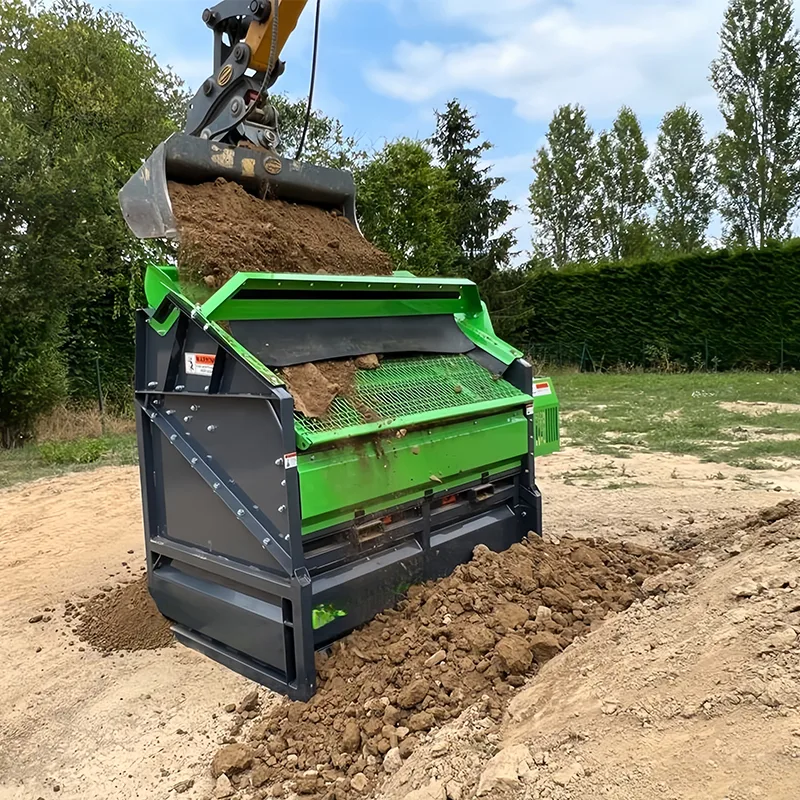
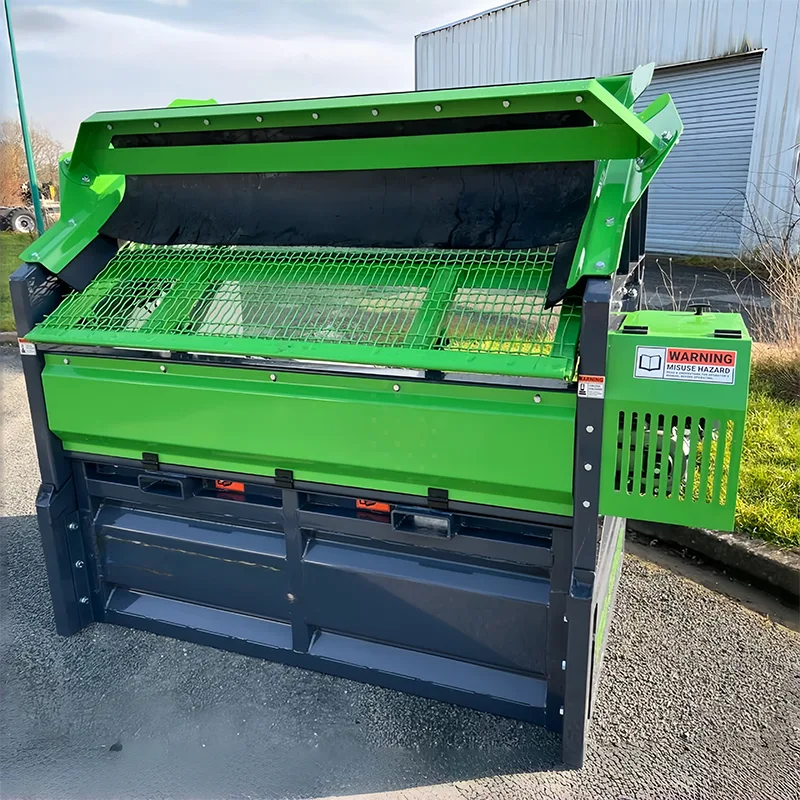
A topsoil vibrating screen is a highly efficient machine used to separate soil, compost, sand, and other materials from stones, debris, and organic waste. It is widely used in landscaping, agriculture, construction, and waste recycling. By producing clean and consistent topsoil, vibrating screens help increase material value, improve productivity, and reduce environmental waste.
What Is a Topsoil Vibrating Screen?
A topsoil vibrating screen uses controlled vibration to move soil across one or more screen meshes. Fine particles pass through the mesh while oversized materials such as rocks, branches, and clumps are separated. This allows you to create high-quality, fine topsoil suitable for planting, leveling, and landscaping projects.
Benefits of Using a Topsoil Vibrating Screen
| Benefit | Description |
|---|---|
| Improved Soil Quality | Filters out debris, ensuring clean and consistent topsoil. |
| Increased Productivity | Speeds up material processing, saving labor and time. |
| Cost Reduction | Reclaims usable soil instead of discarding it as waste. |
| Versatility | Suitable for soil, compost, mulch, sand, gravel, and more. |
| Durable and Low Maintenance | Designed for continuous operation with minimal upkeep. |
How a Topsoil Vibrating Screen Works
- Soil is loaded into the feed hopper.
- Vibration motors shake the screen deck.
- Fine particles fall through the mesh.
- Oversized material travels to the discharge end.
- Screened soil is collected or conveyed for use.
This simple process ensures stable output and easy operation.
Common Applications
- Landscaping and Gardening
Creating high-quality soil for lawn installation and garden beds. - Composting Facilities
Producing consistent compost blends by removing unwanted debris. - Agriculture and Farming
Improving soil fertility and structure for planting. - Construction and Site Preparation
Reusing excavated soil instead of buying new materials. - Recycling and Waste Management
Recovering usable soil from construction waste or demolition debris.
How to Choose the Right Vibrating Screen
When selecting a topsoil vibrating screen, consider:
- Screen size: Larger screens handle more volume.
- Mesh size: Smaller openings produce finer finished soil.
- Power and vibration force: Ensures consistent screening performance.
- Stationary or mobile: Mobile units are ideal for work sites.
- Durable materials: Look for reinforced frames and replaceable meshes.
Maintenance Tips for Long Equipment Life
- Clean the screen mesh regularly.
- Inspect bearings and vibration motors.
- Replace worn mesh when needed.
- Keep mechanical parts lubricated.
- Store equipment in a dry, stable area when not in use.
Conclusion
A topsoil vibrating screen is an efficient and cost-effective solution for producing clean, high-quality soil. Whether you operate a landscaping business, manage compost production, or work in construction, this machine helps improve workflow, reduce waste, and enhance material quality.
Choosing the right equipment supplier is just as important as selecting the correct screen size and mesh configuration. A reliable manufacturer provides not only high-quality machinery, but also technical support, spare parts availability, and customization options to match specific project requirements. This ensures stable performance and long-term return on investment.
As demand for sustainable land improvement and soil recycling continues to grow, the topsoil vibrating screen has become a key machine in eco-friendly material processing. By maximizing soil reuse and reducing landfill waste, it contributes to environmental protection and resource efficiency. Whether you are upgrading your existing system or planning a new production line, a vibrating screen is a smart step toward cleaner, greener, and more profitable operations.
When integrating a topsoil vibrating screen into your workflow, consider conducting a test run with your specific material. Different soil conditions, moisture levels, and debris content can influence screening efficiency. Adjusting vibration frequency and mesh size during initial setup can greatly improve the final output and help you achieve consistent material quality from the start.
If you are exploring automation and scalability, many modern topsoil vibrating screens can be paired with conveyors, feeders, hoppers, and dust control systems. These optional features help reduce manual handling, increase processing capacity, and maintain a clean work environment. Scaling from small volume operations to full industrial production becomes easier and more cost-effective with modular equipment setups.